 StoreySG
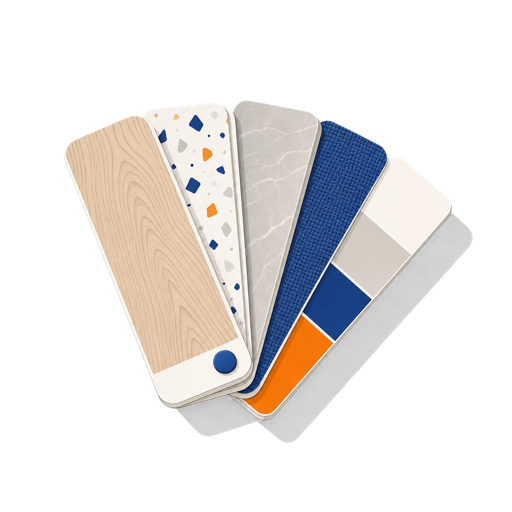
How to Choose Renovation Materials: A Practical Framework
The wrong material can mean peeling floors after one rainy season, a countertop that stains within a week, or a wall finish that releases chemical odours for months. This guide gives you a category-by-category framework — flooring, countertops, wall finishes — covering durability, humidity, maintenance, cost tiers, and household needs, so you can make an informed decision before anything is installed.
Start With the Zone, Not the Aesthetic
Before scrolling through Instagram tiles, anchor every material decision to its zone:
- Wet zones — bathrooms, kitchen splashback, service yard. Constant moisture; waterproofing is mandatory beneath; the surface material must resist standing water.
- Semi-wet zones — kitchen floor, entrance/foyer, covered balcony. Occasional spills and tracked-in humidity; moderate slip resistance matters.
- Dry zones — living area, bedrooms, study. Humidity is managed; comfort, acoustics, and aesthetics take priority. Singapore's ambient humidity (~75–85% RH) still means "dry" is relative — materials that swell or warp in moderate humidity can still fail here.
Singapore's tropical climate is unforgiving to materials designed for temperate homes. Solid wood flooring, for instance, can expand and buckle without proper acclimatisation and moisture control. When in doubt, choose the more humidity-resistant option.
Flooring: The Biggest Visual (and Budget) Decision
Flooring typically covers the largest area in a renovation and has one of the highest touch-and-replace costs once laid. Get it right the first time.
| Material | Cost tier | Humidity resistance | Durability | Maintenance | Best for |
|---|---|---|---|---|---|
| Porcelain / ceramic tile | $–$$ | Excellent | Very high | Low (mop & go) | All zones; kids/pets; easy-clean households |
| Vinyl / SPC (Stone Plastic Composite) | $–$$ | Excellent (SPC is 100% waterproof) | High (SPC > standard vinyl) | Low | Dry and semi-wet zones; rental units; budget-conscious |
| Laminate | $ | Moderate (swell at seams if wet) | Moderate | Low-moderate | Dry zones only; budget builds; avoid if pets prone to accidents |
| Engineered wood | $$–$$$ | Moderate (better than solid wood, not waterproof) | High (can be re-sanded 1–2×) | Moderate | Dry zones; warm aesthetics; adult households with low-humidity control |
| Solid wood | $$$ | Low (expands/contracts significantly) | Very high (multiple re-sands) | Higher (re-oil/varnish periodically) | Dry zones only; controlled AC environment; premium projects |
Tiles: Slip Rating and Grout
For wet and semi-wet areas, check the slip-resistance rating — look for R10 or above on floor tiles. The grout choice matters almost as much as the tile: epoxy grout resists staining and mildew far better than standard cement grout, but costs more. Wide grout lines collect dirt faster; rectified (precision-cut) tiles allow near-flush joints.
SPC vs Laminate: The Short Answer
SPC has a rigid stone-plastic core that does not swell when wet, making it dramatically more humidity-tolerant than laminate. The click-lock installation is similar, but SPC is heavier and the surface is colder underfoot. For Singapore homes, SPC is almost always the smarter choice over laminate unless budget is the overriding constraint.
Engineered Wood and Formaldehyde
Engineered wood, laminate, and SPC products often use composite cores that involve adhesives. These can off-gas formaldehyde and other VOCs, particularly when new. In bedrooms and children's rooms, look for boards rated E0 (the stricter tier) rather than E1. See our full guide on formaldehyde, benzene and VOCs for how off-gassing works and how to ventilate effectively.
Ask your supplier for the emission test report, not just a sticker on the packaging. E0 certification should come with a test certificate, ideally from an accredited lab.
Kids, Pets, and High-Traffic Households
If you have young children, pets, or a high-traffic lifestyle, prioritise scratch resistance and easy cleaning over warmth. Porcelain tile and SPC both handle pet claws and spills well. Engineered wood and solid wood will show scratches over time — this is a matter of character vs. maintenance preference, not a defect.
Countertops: Durability Where It Counts
The kitchen countertop endures heat, knife marks, acid (citrus, vinegar), and daily scrubbing. The bathroom countertop endures water, cosmetics, and cleaning products. Choose accordingly.
| Material | Cost tier | Heat resistance | Stain resistance | Scratch resistance | Maintenance |
|---|---|---|---|---|---|
| Quartz (engineered) | $$–$$$ | Moderate (avoid direct heat) | Excellent (non-porous) | High | Low — wipe clean, no sealing needed |
| Sintered stone (e.g. Dekton, Neolith) | $$$ | Excellent (kiln-fired) | Excellent | Very high (Mohs 7–8) | Very low — UV stable, outdoor-suitable |
| Solid surface (Corian-type) | $$ | Low-moderate | Good (can stain; repairable) | Low (scratches, but sands out) | Moderate — scratches buff out; avoid prolonged heat |
| Granite (natural stone) | $$–$$$ | Excellent | Good (requires annual sealing) | Very high | Moderate — seal annually; some staining risk if neglected |
| Marble (natural stone) | $$$ | Moderate | Poor (acid etches; porous) | Low-moderate | High — seal regularly; avoid acid; polish to restore |
Quartz vs Sintered Stone: The Practical Choice
Quartz is the most popular kitchen countertop in Singapore renovation projects for good reason: non-porous, no sealing required, and a wide range of finishes. Its main limitation is heat — placing a hot pan directly on quartz can cause thermal cracking over time; always use a trivet.
Sintered stone is fired at extremely high temperatures, making it genuinely heat-resistant and suitable for outdoor kitchens and alfresco areas that face UV exposure. It costs more and is more prone to chipping at edges if struck sharply. For a busy wok kitchen, sintered stone is worth the premium.
Marble: Honest Trade-Offs
Marble looks beautiful and is genuinely unique in veining pattern. But it is calcite — citric acid from a lemon on an unsealed marble top will etch it within minutes. If you love marble, use it in low-acid, low-traffic areas (a bathroom vanity, a feature island) and commit to the maintenance routine. Marble-look porcelain tiles and quartz slabs offer similar aesthetics with far lower upkeep.
Wall Finishes: Paint, Tile, and Laminate
| Finish | Cost tier | Wet zone suitability | Ease of change | Key consideration |
|---|---|---|---|---|
| Interior paint | $ | No (bathroom) / Yes (kitchen with splashback) | High — repaint in a day | Low-VOC/water-based paints are strongly preferred; avoid oil-based in occupied spaces |
| Wall tile | $–$$ | Excellent | Low — hacking required to remove | Grout maintenance; check waterproofing behind in wet areas |
| Laminate (wall panel) | $$ | No | Moderate | Check E0/E1 emission rating; avoid in humid areas |
| Microcement / concrete look | $$$ | Yes (if sealed correctly) | Low | Requires skilled applicator; ongoing sealing; crack risk in movement-prone areas |
Paint and Low-VOC: Why It Matters
Standard paints — particularly oil-based — contain solvents that off-gas VOCs (volatile organic compounds) for weeks to months after application. Water-based acrylic paints emit significantly less and dry faster. Look for paints labelled low-VOC or zero-VOC; this matters most in bedrooms, nurseries, and any space you sleep in shortly after renovation. See our guide on materials to avoid during pregnancy and around children for stricter guidance if relevant to your household.
Glossy or semi-gloss paint finishes in bathrooms do not replace proper waterproofing. Wall tiles with solid waterproofing behind them are the safe choice for wet-zone walls.
Thinking About Household Needs
The right material for one household may be wrong for another. A few scenarios to ground your choices:
- Young children and toddlers: Prioritise materials without sharp edges (rounded countertop profiles), soft flooring options for play areas, low-emission boards in bedrooms, and easy-clean surfaces everywhere. SPC or tile flooring over carpet.
- Pets: Scratch-resistant floors (tile, SPC), stain-resistant countertops (quartz, sintered stone), and wall paint that wipes clean at dog-nose height. Avoid solid or engineered wood if you have large dogs.
- Elderly residents: Slip-resistance on all floors (R10+ tiles in wet zones, non-slip finishes in bathrooms), matte rather than high-gloss surfaces to reduce glare, and easy-grip countertop edge profiles.
- Rental or investment properties: Durability and low maintenance beat aesthetics. Tile or SPC flooring, quartz countertops, and standard interior paint are the cost-effective baseline.
Putting It Together: A Quick Decision Checklist
- Identify the zone — wet, semi-wet, or dry.
- Filter by humidity and water resistance — eliminate materials that can't handle your zone's moisture level.
- Consider household profile — kids, pets, elderly, rental.
- Check emission ratings — E0 for bedrooms and children's rooms; low-VOC paint throughout.
- Set your cost tier — understand the trade-offs at each tier before committing.
- Verify maintenance expectations — how much effort are you willing to put in every week, every year?
- Get physical samples — tile and stone look very different as a 10×10 cm chip versus a full floor layout.
Once you have a shortlist, a tool like StoreySG lets you swap floor and wall finishes on your actual floor plan at millimetre scale — so you can see whether that warm oak SPC clashes with your kitchen tile before a single piece is ordered. Visit where to buy renovation materials in Singapore for sourcing by category, or hidden renovation pitfalls for what to watch out for once contracts are signed.
This guide covers finish and surface materials — flooring, countertops, wall finishes. Structural materials, waterproofing membranes, and adhesives are separate decisions best left to your licensed contractor.
Design it in StoreySG
Upload your floor plan and design right in the browser — no install, no gaming PC. Edit by natural language, keep 2D and 3D in sync at true millimetre scale, and export a CAD-ready DXF, render-ready 3D, or a furniture list.
Try the editor freeFrequently asked questions
What is the most durable flooring for a Singapore home with kids and pets?
Porcelain tile and SPC (Stone Plastic Composite) are the most durable choices — both are scratch-resistant, 100% waterproof (SPC), and easy to clean. Avoid solid or engineered wood if you have large dogs, as their claws will scratch the surface over time.
Is quartz or sintered stone better for a kitchen countertop?
Both are excellent. Quartz is non-porous, needs no sealing, and is easier on the budget. Sintered stone is genuinely heat-resistant (you can place a hot pan directly on it) and is the better choice for outdoor kitchens or alfresco areas exposed to UV. For a standard indoor kitchen, quartz is the practical default.
What does E0 mean on flooring or board materials?
E0 is a formaldehyde emission grade — it indicates a very low level of formaldehyde off-gassing from the adhesives used in composite boards, laminate flooring, and engineered wood. E0 is stricter than E1. For bedrooms and children's rooms, request E0 and ask the supplier for the test certificate.
Can I use laminate flooring in a Singapore bathroom or kitchen?
No. Laminate has a wood-fibre core that swells when wet. It is only suitable for dry zones. Use porcelain tile or SPC for kitchens and bathrooms instead.
What paint should I use if I'm moving in shortly after renovation?
Use low-VOC or zero-VOC water-based interior paint. Standard oil-based paints off-gas solvents for weeks to months. Water-based paints dry faster and emit significantly less. This matters most in bedrooms and nurseries.
Why does marble stain and etch so easily?
Marble is primarily calcium carbonate (calcite). Acidic substances — citrus juice, vinegar, wine, some cleaning products — chemically react with it and leave dull etched patches within minutes on an unsealed surface. Regular sealing reduces (but does not eliminate) this risk. For kitchen countertops, quartz or sintered stone are more forgiving alternatives.